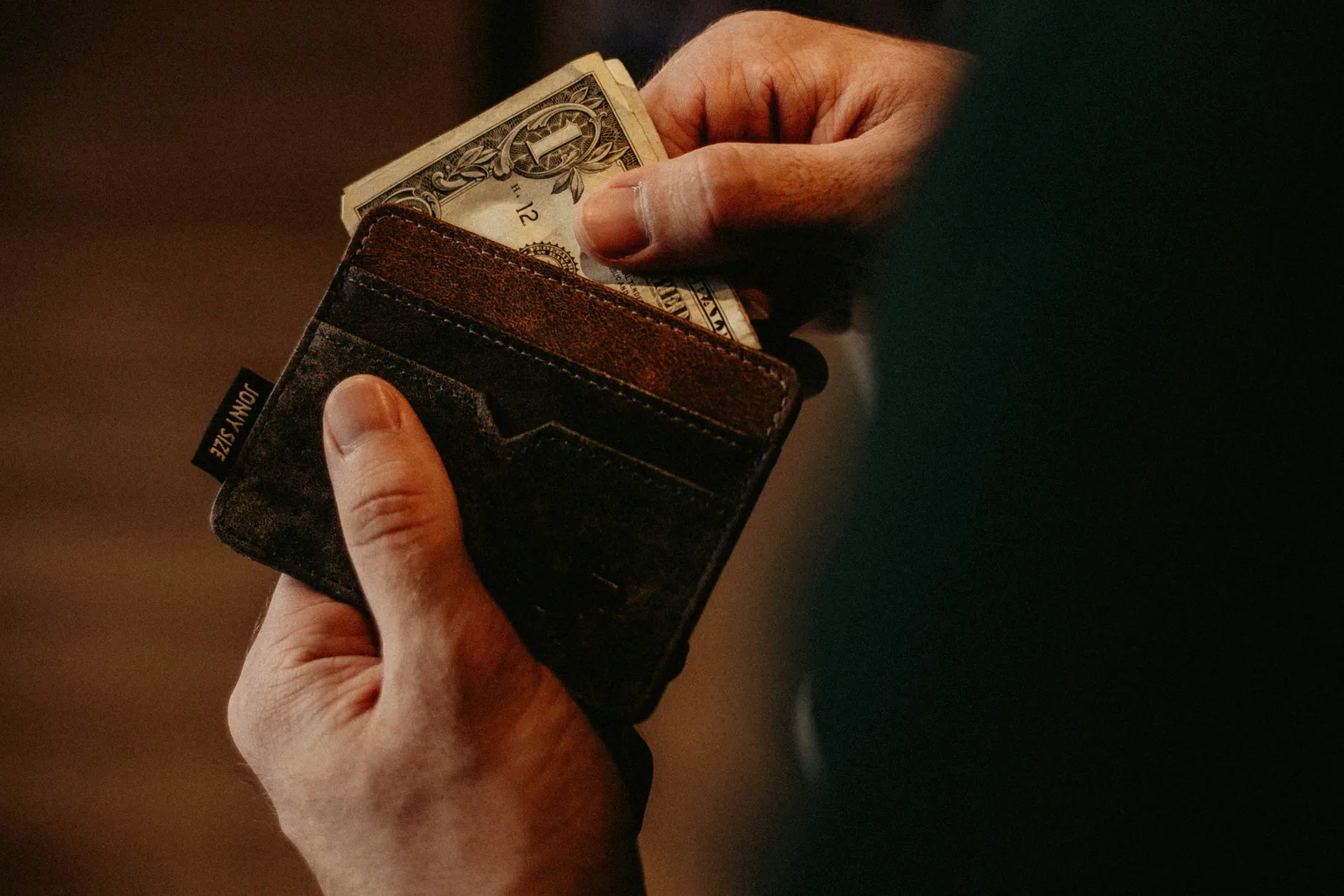
Handing a stranger thousands of dollars for a car is the part that worries everyone. It doesn't have to. Meet at a bank and the risk mostly disappears, for both of you.
Why the bank is the right place
A bank lobby solves three problems at once: the money is real (the teller issues or verifies it in front of you), nobody is carrying cash around, and there's a notary nearby if your state wants the title signature notarized. Most banks will do this for a customer; ask when you call ahead.
Ways to pay, from safest down
If the seller still owes money on it
A title that shows a lender (a lien) can't be signed over until the loan is paid. The clean way: meet at the seller's lender if it's local, pay the lender the payoff and the seller the rest, and get the lien release there. Otherwise the seller pays it off first and shows you the release letter before you pay anything.
If you're financing the purchase yourself, get the loan approved before you shop; your lender will tell you exactly what they need from the seller.
Paper to sign at the counter
0 of 5 ready
Then the buyer registers the car and pays sales tax at their state's DMV, usually within a few weeks, and the seller tells their DMV the car is sold and cancels the insurance.
General information, not legal or financial advice. Sales tax, title fees and lien rules are set by your state; check your state's DMV.
 Buying
 Buying
 Safety